
What Is Reverse Osmosis?
A clear guide to reverse osmosis systems, how RO membranes work and why they are used in premium drinking water filters.
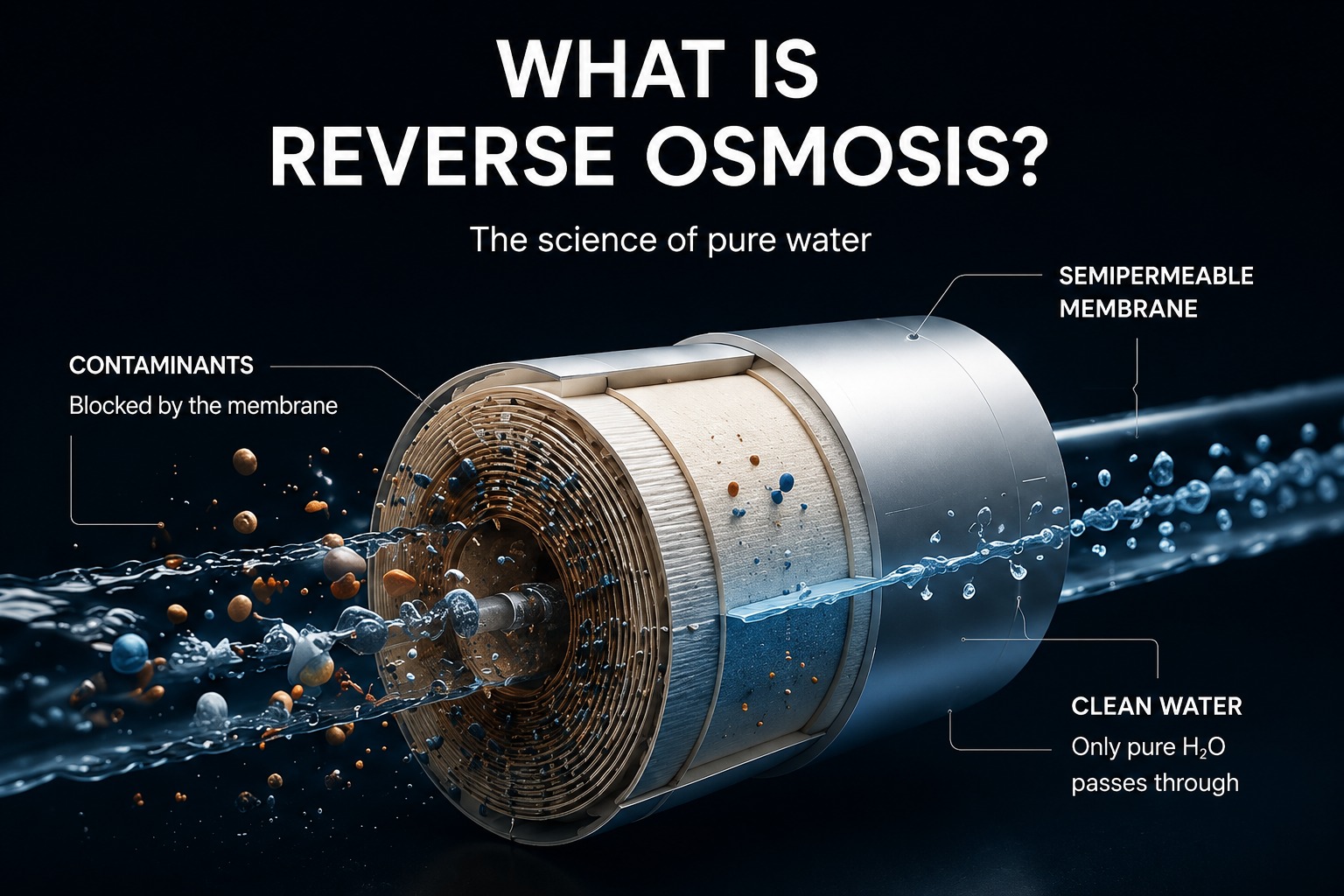
Reverse osmosis is one of the most precise technologies used in modern drinking water filtration. In a reverse osmosis system, water is pushed through a very fine membrane that helps separate water molecules from dissolved substances. This makes RO especially relevant for households looking for a premium reverse osmosis system or a high-performance kitchen water filter.
How reverse osmosis works
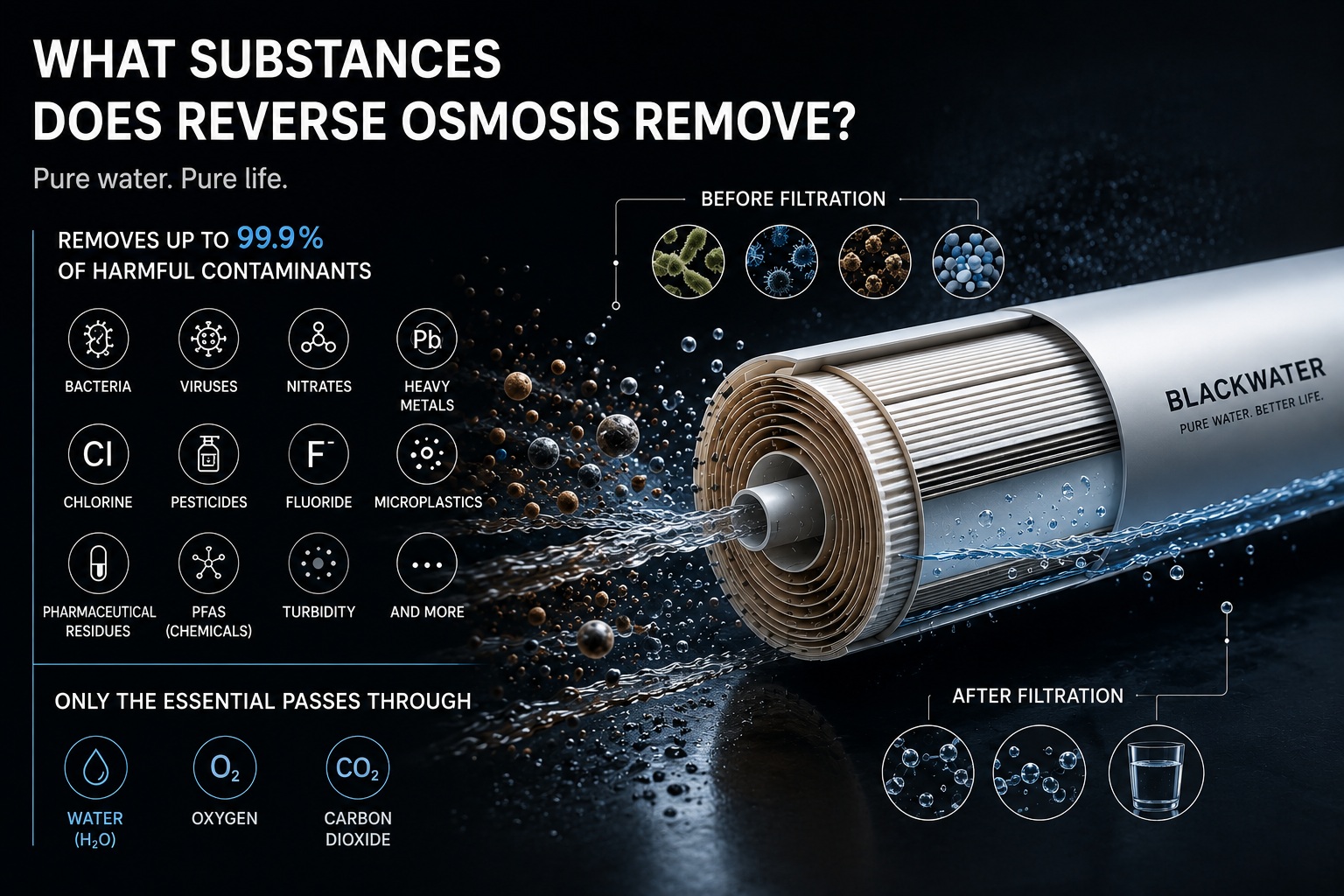
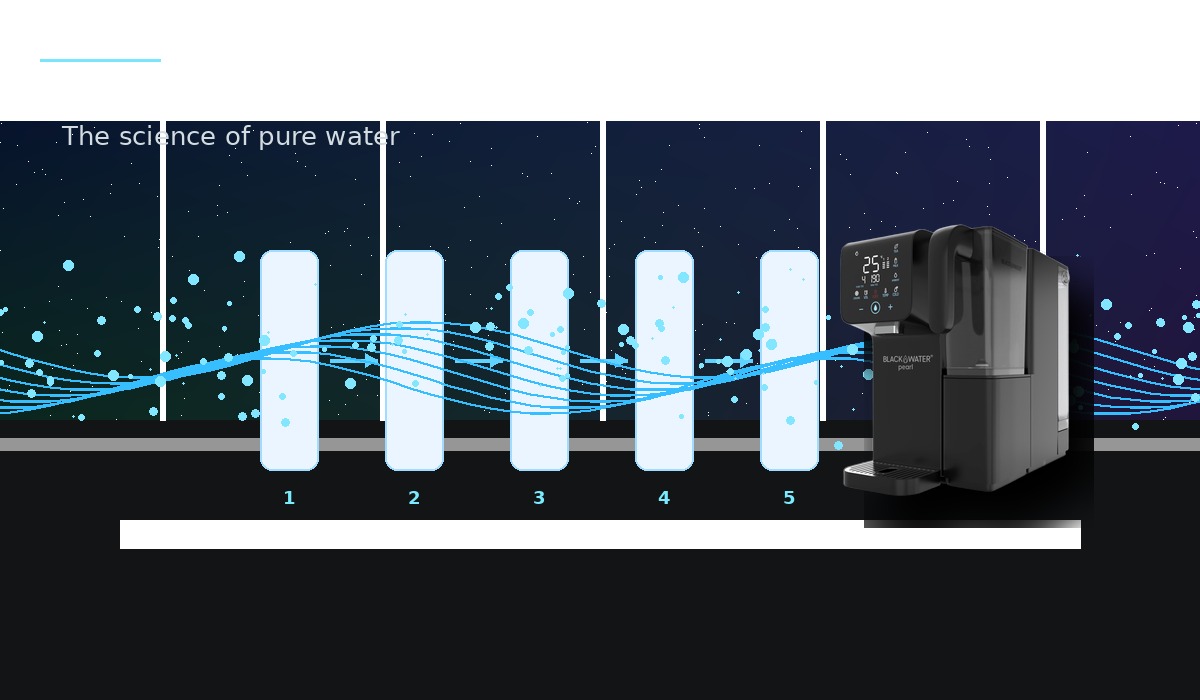
The process uses pressure to move water through a semi-permeable membrane. Larger dissolved particles, many salts, heavy metals and fine impurities remain on one side, while purified water passes through. In premium systems, RO is often combined with activated carbon, sediment filtration and remineralization to improve both purity and taste.
What RO can help reduce
| Topic | Best for | Notes |
|---|---|---|
| Chlorine taste and odor | Better drinking experience | Often reduced by activated carbon pre-filtration |
| Heavy metals | Older buildings and pipes | RO membranes help reduce many dissolved metals |
| Microplastics | Modern water concerns | Fine filtration can reduce many small particles |
| PFAS and dissolved residues | High-purity filtration | RO is commonly used when broad contaminant reduction is desired |
Advantages of reverse osmosis
The main advantage is broad filtration performance. Unlike a simple jug filter, an under-sink reverse osmosis system is designed for daily use, higher capacity and more consistent results. It also reduces the need to carry bottled water and can make filtered water available directly from a dedicated tap.
Recommended products
FAQ
Is filtered water always better than bottled water?
It depends on local water quality and the filtration system. A premium filter can offer strong convenience and reduce single-use plastic.
Which system is best for a kitchen?
For permanent kitchen use, an under-sink reverse osmosis system such as BLACKWATER Drop is the most integrated option.
Related articles
This article is educational and does not replace local water testing or professional technical advice.